Whimsical Baby Animal Journal Clipart for Cozy Crafts
A Storybook Touch for Modern Digital Creators
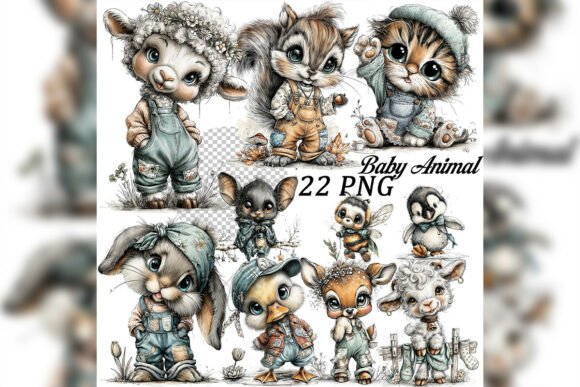
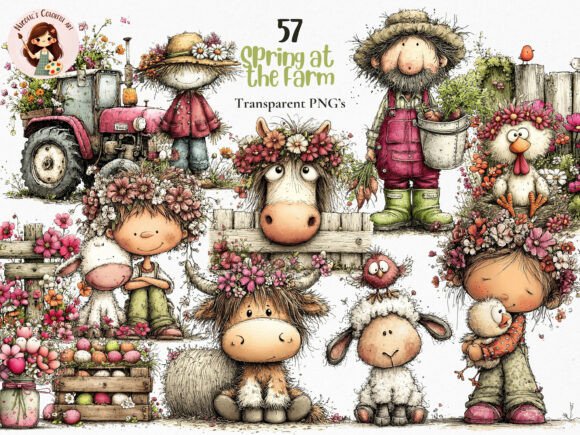
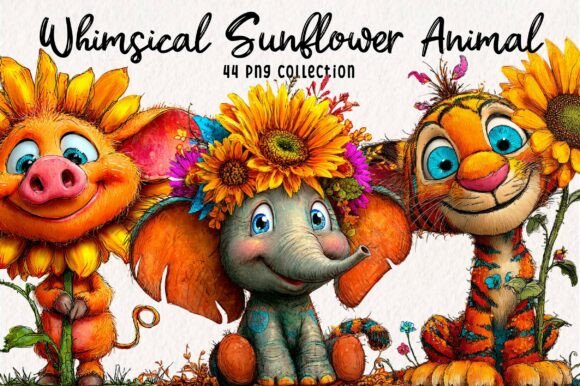
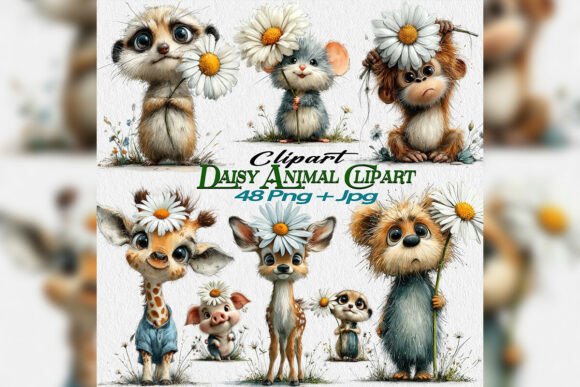
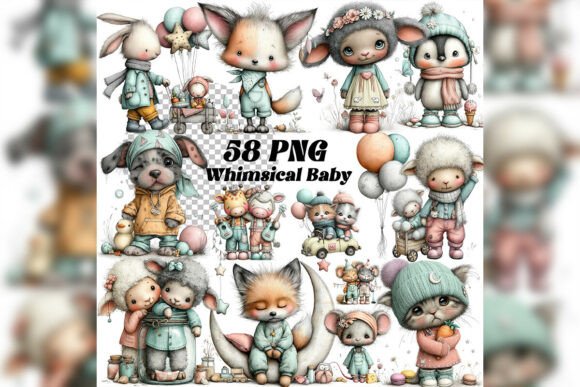
There is a specific kind of visual warmth that watercolor brings to a project. It’s a blend of soft edges, organic texture, and a gentle hand that feels personal and intentional. The Whimsical Baby Animal Journal Clipart collection captures this essence perfectly. It’s a curated set of hand-painted baby animals, designed to infuse your creative work with a soft, nostalgic storybook aesthetic. Each illustration feels like it was lifted from a beloved children’s book, with the gentle bleed of watercolor and the charming imperfections that make hand-painted art so appealing.
This isn't just a set of cute images. It’s a versatile design asset. The illustrations are rendered in a classic watercolor style that avoids trendy filters, making them timeless. The animals have a gentle, friendly personality that appeals across ages without feeling overly childish. Think of a sleepy fox curled up, a curious bunny with soft fur, or a baby deer with wide, gentle eyes. This character-driven approach is what gives the clipart its unique emotional pull. For designers and creators, it offers a shortcut to that handmade, artisanal quality that can be difficult and time-consuming to create from scratch. The consistent style across the entire bundle ensures cohesion, a critical factor in professional design and brand identity work.
Where This Clipart Truly Shines: Practical Applications
The true value of any design asset lies in its adaptability. The Whimsical Baby Animal Journal Clipart is engineered for cross-platform utility. Its applications extend far beyond the obvious scrapbooking page. Consider these real-world uses:
- Junk Journals & Scrapbooking: This is its native environment. The clipart acts as focal points, decorative accents, or layered elements that build depth and narrative in your pages.
- Branding & Packaging: For small businesses, especially those in children’s products, boutique bakeries, artisan goods, or family-focused services, these illustrations can soften a brand’s visual identity. They work beautifully on product labels, thank-you cards, and social media graphics, adding a layer of warmth and approachability that stock photography often lacks.
- Editorial & Web Design: Bloggers and content creators can use them to break up text, illustrate articles on parenting, education, or lifestyle, and create custom featured images that stand out in a crowded feed. The high-resolution files ensure they look sharp even when scaled.
- Printable Products: The commercial-use license is a game-changer. You can create and sell printable wall art for nurseries, greeting card sets, planner stickers, or even patterns for fabric and stationery. The transparent PNGs make it simple to isolate elements and combine them with your own typography or backgrounds.
- Digital Planners & Stickers: The popularity of digital planning has created a huge demand for unique, non-generic stickers. These illustrations are perfect for creating custom sticker sheets for apps like GoodNotes or Notability.
The key is to see them not as mere decorations, but as core components of your visual storytelling. They can set the tone for an entire project, whether it’s a personal memory book or a commercial product line.
Integrating Whimsy: Design Principles and Pairing
Using decorative clipart effectively requires a bit of design strategy to avoid a cluttered or unprofessional look. The goal is to let the whimsy enhance, not overwhelm. Here’s how to approach it:
Visual Hierarchy and Balance: Let one or two clipart elements be the star. Use them as a central motif on a page or product, then balance them with simpler elements like solid colors, clean lines, or subtle textures. A busy background will compete with the detailed watercolor. Instead, pair them with plenty of white space or a simple, muted paper texture to let them breathe.
Font Pairing is Critical: This is where your project moves from craft to design. The organic, hand-painted style of the clipart calls for typography that complements, not clashes. Avoid ultra-modern, geometric sans serif fonts for headlines, as the contrast can feel jarring. Instead, consider:
- A gentle serif font for body text to maintain readability and a classic feel.
- A friendly, rounded sans serif font for a clean, modern balance.
- A simple script or handwritten font for accents, but use it sparingly to avoid visual chaos.
For example, pairing the clipart with a font like "Josefin Sans" for headers and "Lora" for body text creates a harmonious, readable, and stylish layout. The typography should support the storybook theme, not fight it.
Color Coordination: The watercolor palette in the clipart is typically soft and harmonious. Pull accent colors from the illustrations themselves for your backgrounds, borders, or text. This creates a cohesive and professional color story. A soft sky blue from a bunny’s backdrop or a gentle peach from a fox’s cheek can become your project’s accent color, tying everything together seamlessly.
Evaluating Project Fit: Not every project needs whimsy. This clipart is ideal for projects targeting an audience that values nostalgia, warmth, gentleness, and craftsmanship. It’s less suited for corporate, high-tech, or minimalist brutalist aesthetics. Always ask: does this visual style align with the core message and the intended viewer’s expectations? If the answer involves comfort, charm, or a personal touch, you’re on the right track.
The Whimsical Baby Animal Journal Clipart