Quirky Farm Animal Clipart: A Design Asset for Authentic Projects
There's a particular challenge in visual design: finding assets that feel genuine, not generic. We've all seen the same stock illustrations and overused icons. When you need to convey warmth, whimsy, and a touch of rustic charm, standard corporate vector sets fall short. This is where a specific kind of design asset becomes invaluable—something with personality, like Quirky Farm Animal Clipart. It’s not just a collection of images; it's a toolkit for injecting character into your work.
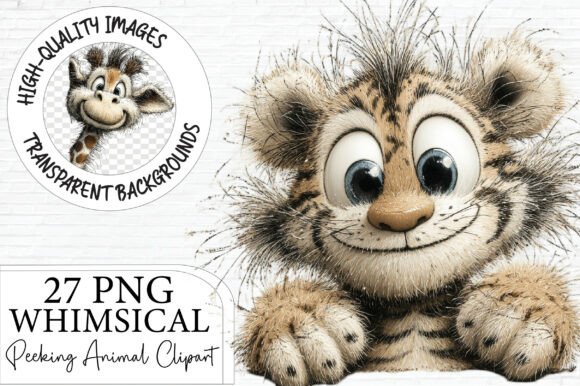
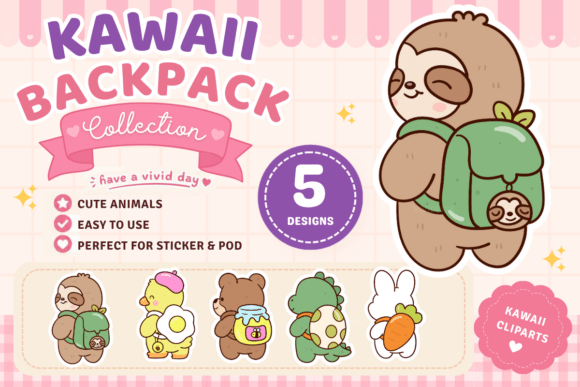
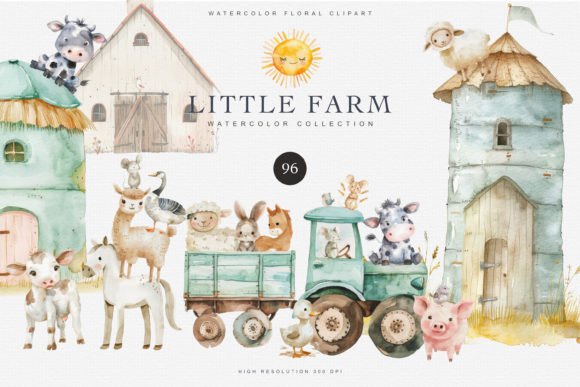
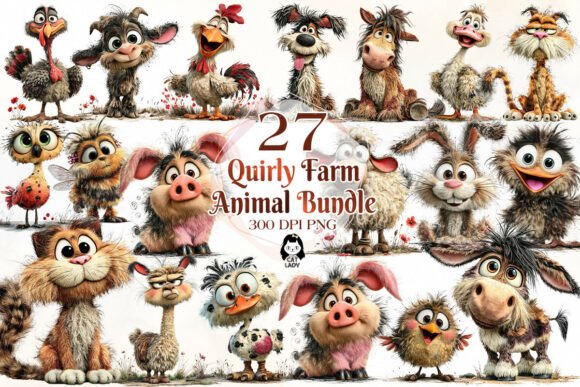
This collection of 27 high-resolution PNG files is designed for makers and creators who need more than a simple graphic. Each illustration, from a lopsided-grinning cow to a sheep with an unexpectedly confident posture, carries a hand-drawn, slightly exaggerated charm. The style avoids being overly childish, landing instead in a space that feels approachable, humorous, and full of story. Think of it as a visual tone of voice—friendly, engaging, and memorable. The 3000 x 3000 pixel dimensions at 300 DPI mean these aren't just for screen use. They're built for real-world production, giving you the flexibility to move from a digital mockup to a printed product without losing quality.
Where Quirky Personality Meets Practical Application
The true test of any creative font or clipart set is its versatility. Where does something so specific actually work? The answer is broader than you might think. For entrepreneurs and small business owners in the artisanal or organic space, this clipart is a direct line to your audience. Imagine using a charmingly awkward pig on the label for your small-batch barbecue sauce or a cheerful rooster on packaging for farm-fresh eggs. It instantly communicates a brand story of care, humor, and authenticity that sterile, minimalist design cannot.
For content creators, bloggers, and publishers, these assets solve the constant need for engaging visuals. A quirky goat peeking from the corner of a newsletter header or a set of playful chickens used as bullet points in a blog post about sustainable living can significantly boost reader engagement and visual hierarchy. The illustrations work as social media graphics, printable wall art for an Etsy shop, or unique elements for a wedding invitation suite with a rustic theme. They function as a creative font does—not just as decoration, but as a core component of the visual narrative that guides the viewer's eye and reinforces the message.
Integrating Assets for a Cohesive Brand Identity
Adopting a distinctive visual element like Quirky Farm Animal Clipart into your projects requires thoughtful integration. The goal is to enhance, not overwhelm. Start by considering your existing design assets. Do you use a modern sans serif font for body text? Pairing that clean typography with one of these illustrations can create a delightful contrast, making the clipart pop while maintaining overall readability. If your brand uses a handwritten font for headings, the clipart's similar hand-drawn quality can create a harmonious, cohesive feel across your packaging design and web design.
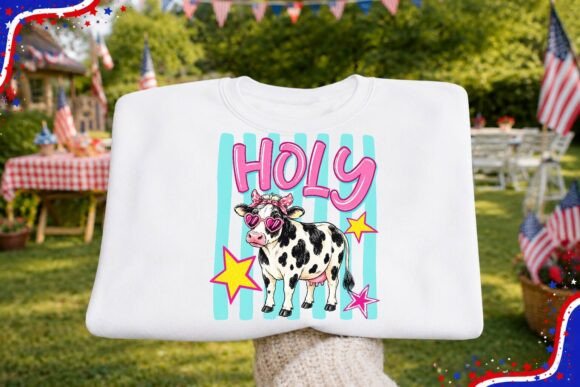
Think about consistency. You don't need to use all 27 pieces at once. Select two or three animals that best represent your brand's personality—the steadfast donkey for reliability, the curious goat for adventure—and use them repeatedly across different touchpoints. This builds recognition. On a practical level, always test how the clipart interacts with your color palette and layout. Place it on a mockup of your intended product, whether it's a t-shirt, a coffee mug, or a website banner, to evaluate scale, balance, and overall impact before finalizing. The commercial license is key here, allowing you to confidently use these designs on products you sell, from printed merchandise to digital downloads.
Making Smart Choices for Your Creative Projects
Selecting the right clipart is similar to choosing a typeface. It must align with the project's tone and audience. This particular set excels where you need to inject personality and break from formality. It’s less suited for a law firm's annual report but perfect for a children's book illustrator, a craft brewery's merchandise, or a farm-to-table restaurant's menu design. Evaluate the visual weight and detail of the illustrations. In a busy layout, a single, bold animal might serve as a strong focal point. For a pattern or a series of social media posts, using multiple smaller characters can create rhythm and fun.
Consider the emotional response you want to evoke. The inherent humor and warmth in these designs can make a brand feel more human and relatable. This is a powerful tool in marketing, fostering a connection that transcends a simple transaction. When using them, pay attention to composition. Give the artwork breathing room so its details aren't lost. Pair it with complementary elements—perhaps a simple serif font for elegance or a clean sans serif for modernity—to balance the whimsy and ensure your final design feels polished and professional, not cluttered.
Ultimately, assets like this are about having the right tool when inspiration strikes. They provide a foundation of quality and character that you can build upon, whether you're creating a full brand identity or just need a single, standout graphic for a project. The value lies in their ability to tell a story at a glance, making them a practical and potent addition to any designer's or creator's toolkit.